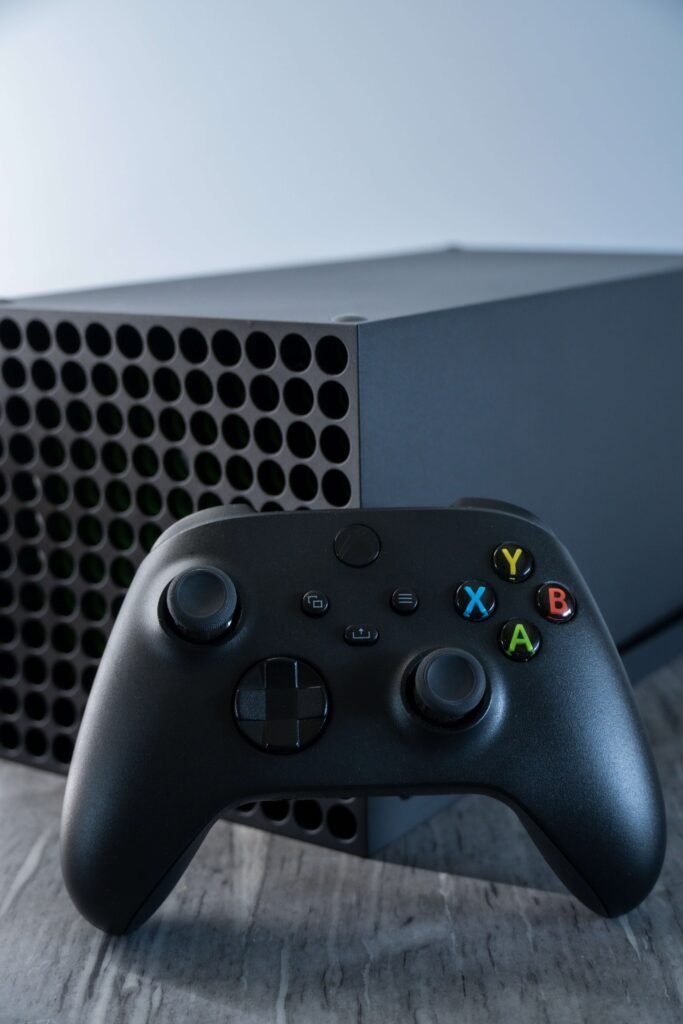
Microsoft is putting monthly limits on Xbox cloud gaming—and while the company says it’s about sustainability, it also looks like a significant shift in what Game Pass is supposed to be.
Microsoft is changing the deal for Xbox Game Pass subscribers.
Starting in November, cloud gaming will no longer be an effectively unlimited perk for eligible subscribers. Instead, Microsoft will give each Game Pass tier a monthly allowance:
- Game Pass Ultimate: 15 hours
- Game Pass Premium: 10 hours
- Game Pass Essential: 5 hours
Once those hours are gone, players will have to purchase additional cloud gaming time through the Xbox Store.
For most Game Pass subscribers, Microsoft says the change won’t matter. The company estimates that only about 4% of subscribers will be affected.
But that number doesn’t necessarily tell the whole story.
The Cloud Was One of Game Pass’s Biggest Selling Points
Xbox has spent years positioning cloud gaming as one of the most compelling parts of the Game Pass ecosystem. The pitch was simple: subscribe to Game Pass, pick a game, and start playing without waiting for a download or installing anything.
That convenience is particularly important as Microsoft pushes Xbox beyond the traditional console.
Cloud gaming allows players to play on supported phones, tablets, PCs and other devices. It can also give Xbox One owners access to certain games designed for the newer Xbox Series X|S hardware.
Now Microsoft is putting a meter on that convenience.
And that changes the psychology of the service.
A player who previously launched a cloud game without thinking about how long they played may now have to keep an eye on a monthly hour counter.
That’s not exactly the friction-free future of gaming Microsoft has been selling.
The 4% Question
Microsoft’s claim that only 4% of subscribers will be affected sounds reassuring—but it deserves some context.
The people most likely to hit the limits are precisely the players who use cloud gaming heavily. For those customers, the change isn’t minor. A five-, ten-, or fifteen-hour allowance could disappear surprisingly quickly.
Fifteen hours might sound generous until you consider that a few evenings of gaming can easily consume most of it.
And once those hours are gone, the choices become straightforward: stop using cloud gaming, wait for the next month, or pay more.
That makes the real impact of the change dependent on one number Microsoft hasn’t revealed yet:
How much will additional cloud gaming hours cost?
Until Microsoft publishes that pricing, it’s difficult to know whether this is a modest adjustment or the beginning of a much more expensive cloud gaming model.
Microsoft Is Also Opening the Cloud to Everyone
There’s an interesting twist to the announcement.
At the same time Microsoft is limiting cloud gaming for Game Pass subscribers, it’s making cloud gaming available to people who don’t subscribe to Game Pass at all.
Beginning in November, players will be able to purchase cloud gaming hours through the Xbox Store and stream eligible games they already own.
That could actually be a smart move.
Not everyone wants a monthly subscription. Some players may only want to play occasionally, while others may own a handful of games and simply want the convenience of streaming them rather than downloading them.
Microsoft is essentially turning cloud gaming into a utility: buy access when you need it.
The question is whether customers will find that model attractive once they see the price.
This Is Bigger Than Xbox
The announcement is also another sign that the economics of cloud gaming are changing.
Streaming games isn’t like streaming a movie. Netflix can serve the same movie to millions of people without running a dedicated game instance for every viewer. Cloud gaming requires significant computing resources while someone is actively playing.
The longer the player stays connected, the more infrastructure Microsoft has to provide.
That makes unlimited cloud gaming an expensive promise.
Microsoft is now acknowledging that reality.
The company says the new limits will help it continue investing in the reliability and performance of cloud gaming. That’s a reasonable argument—and unlike some arbitrary subscription-price increase, there is a real infrastructure cost behind it.
But customers don’t experience infrastructure costs. They experience features and prices.
If cloud gaming was part of the value proposition when they signed up for Game Pass, reducing that benefit inevitably feels like a downgrade.
Xbox One Owners May Be the Biggest Winners
There is, however, one group that could benefit considerably from Microsoft’s new approach: Xbox One owners.
Cloud gaming can effectively extend the life of older hardware by allowing it to stream games that require Xbox Series X|S hardware.
That’s a compelling proposition.
Instead of spending hundreds of dollars on a new console, a player may be able to use an existing Xbox One and pay for cloud access when necessary.
In countries where newer consoles are expensive or difficult to obtain, that could be even more important.
Microsoft has also promised to continue adding cloud support for more games, which could make the feature increasingly useful over time.
The Big Test Will Be Pricing
Ultimately, Microsoft’s November announcement will live or die on the economics.
If additional cloud hours are reasonably priced, the new system could make sense. Casual users won’t have to pay for unlimited cloud gaming they rarely use, while heavy users can buy more time.
If those hours are expensive, however, the strategy could backfire.
Game Pass subscribers may start asking why they’re paying for a premium subscription only to encounter additional charges for one of its headline features.
And that’s the uncomfortable part of this announcement.
Microsoft isn’t abandoning cloud gaming. Quite the opposite. It’s trying to build a business model around it.
But in doing so, Xbox is moving cloud gaming from “included with Game Pass” toward “metered service.”
That may ultimately be the more sustainable model. It may even be the only practical way to make large-scale cloud gaming profitable.
But it’s also a reminder that the future of gaming in the cloud isn’t going to be free—or necessarily unlimited.
November will tell us whether Microsoft has found a reasonable balance between the cost of running the cloud and the value players believe they’re getting from Xbox Game Pass.